
Ultimate Foundation Repair Products For Structural Restoration
Select from top-performing products that help repair and reinforce your foundation, ensuring safety and stability for years to come.
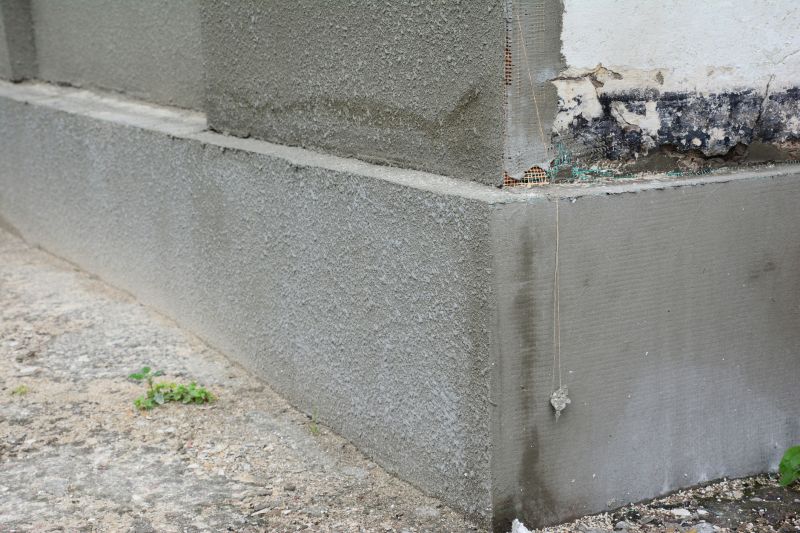 Foundation repairs are a critical aspect of maintaining the structural integrity of a building, especially in areas like Marysville, OH, where soil conditions and weather patterns can influence foundation stability. When considering foundation repair products, homeowners and contractors should focus on solutions that address specific issues such as settlement, cracking, or shifting. These products are designed to stabilize, lift, or reinforce foundations, helping to prevent further damage and preserve the longevity of the structure.
Top Overall Option
Polyurethane Injection Systems
Polyurethane injection systems are versatile and effective for addressing foundation cracks and voids. They expand upon application to fill gaps and stabilize the surrounding soil, providing a non-invasive solution that can be used for minor to moderate foundation issues. These systems are relatively quick to install and can be tailored to specific problem areas, making them a popular choice for homeowners seeking a reliable repair method.
Types of Products For Foundation Repairs
Hydraulic Push Piers
Used to lift and stabilize sinking foundations by applying hydraulic pressure to push piers into the soil beneath the foundation.
Helical Piers
Rotated into the ground to provide support for unstable or settling foundations, especially useful in varied soil conditions.
Polyurethane Foam Injectors
Injects expanding foam into cracks or voids to fill gaps and stabilize the foundation temporarily or permanently.
Steel Push Piers
Driven into the ground to transfer the load of the foundation to more stable soil layers, suitable for severe settlement issues.
Carbon Fiber Reinforcement
Applied to cracked walls to reinforce and prevent further cracking, often used in conjunction with other repair methods.
Concrete Jacking and Leveling Kits
Utilize hydraulic jacks and grout to lift and level uneven concrete slabs around the foundation.
Underpinning Systems
Extend the foundation's depth or width to improve stability, often involving multiple repair components.
Crack Repair Sealants
Seal small to medium cracks to prevent water intrusion and further deterioration.
Soil Stabilization Grouts
Inject into the soil to improve load-bearing capacity and reduce settlement.
Drainage Systems
Improve water management around the foundation to reduce soil movement and water-related damage.
Foundation Encapsulation
Seals and insulates the foundation to prevent moisture infiltration and temperature fluctuations.
Vapor Barriers
Installed under slabs to control moisture and prevent ground movement.
Mudjacking Equipment
Pump a slurry mixture beneath slabs to lift and level uneven concrete surfaces.
Anchor Bolts
Secure and reinforce foundation walls, especially in basement repairs.
Drain Tile Systems
Redirect groundwater away from the foundation to reduce water pressure and soil erosion.
Epoxy Injection Kits
Bond and fill cracks in concrete and masonry, restoring structural integrity.
Popular Choices
Widely used for crack repair and soil stabilization due to their quick application and expanding properties.
Commonly selected for foundation stabilization in cases of settlement or sinking.
Often chosen for severe foundation movement, providing deep support in challenging soil conditions.
Popular for sealing small cracks and preventing water intrusion.
Frequently used when additional support or depth extension is needed for existing foundations.
Effective in managing water flow around foundations, reducing moisture-related issues.
Chosen for reinforcing basement walls and preventing further cracking.
Preferred for leveling concrete slabs with minimal disruption.
Installed to control ground moisture and protect foundation walls.
Popular for improving soil strength beneath foundations.
Selected for sealing and insulating crawlspaces and basements.
Used for structural crack repairs in concrete and masonry.
Commonly used to reinforce basement walls and secure framing.
Effective in redirecting water and reducing hydrostatic pressure.
Popular for restoring level surfaces to prevent tripping hazards.
A variety of products are available to suit different repair needs, from simple crack fillers to advanced underpinning systems. It is essential to evaluate the extent of the foundation problem, the type of soil, and the building's design before selecting a product. Proper installation and compatibility with existing structures are also crucial factors to ensure effective and lasting results.
In Marysville, OH, foundation repair products must withstand local soil conditions and weather influences. Choosing the right products involves understanding the specific challenges faced by properties in this region, such as clay soil expansion and contraction or water infiltration issues. Consulting with a foundation specialist can help determine the most appropriate solutions, but having a good knowledge of available products can empower homeowners to make informed decisions.
Ultimately, foundation repair products are part of a comprehensive approach to maintaining a safe and stable home. Regular inspections and timely interventions using suitable products can mitigate damage and extend the life of the foundation. Whether for minor cracks or major structural concerns, selecting the right products is a vital step toward ensuring the durability and safety of your property in Marysville, Ohio.
Key Buying Considerations
- Assess the severity and type of foundation issue before selecting products.
- Understand the soil conditions and how they influence the choice of repair methods.
- Consider the compatibility of repair products with existing foundation materials.
- Evaluate the long-term stability and durability of the product options.
- Determine whether professional installation is recommended or if DIY is feasible.
- Check for warranties or guarantees offered with the products.
- Review the ease of access and application methods for each product type.
- Consider the potential impact on property value and future maintenance.
- Ensure that the selected products meet local building codes and regulations.
- Factor in the environmental conditions such as moisture levels and water drainage.
- Look into the product's capacity to address both surface and subsurface issues.
- Evaluate the cost-effectiveness of different repair solutions relative to the problem.
- Research the reputation and reviews of the product manufacturers or suppliers.
- Identify if additional tools or materials are needed for installation or application.
- Consider the timeline for repair and how it fits with your project schedule.